

Opinion
by Randy Schaffer, Author of soon-to-be-released children’s book A Dog Can Make a Difference (Working Title)
This second post in a planned series concerning spiritual practices gives strategies for prayer. Breath prayer and meditation walks may help your spiritual practice by enabling you to relax and open up to the Holy Spirit.
(In case you missed it, find Part 1 here!)
As promised, this post will describe several practices and offer the ways in which they might be incorporated into your devotional life.
As we journey in faith, there come times when we feel distant from the Lord. We experience a longing that can’t always be named or understood, yet it’s real and resides within us. In Psalm 42, we read, “My soul thirsts for God, for the living God,” and in Psalm 107, “God satisfies the longing soul.” Throughout Scripture, we’re reminded that God created us for an intimate relationship with Him. Scholars have labeled this longing as the mystery of God calling us.
How should we respond? There are numerous ways to react. We might begin by spending time in prayer, reading Scripture, and attending worship. These practices could serve as a starting point, but we might also feel the need to go beyond just that.
Let’s explore some additional ways to utilize prayer practices designed to deepen our faith and bring us closer to God. We’ll begin with Breath prayer, which involves focusing on the God-given gift of our breath. Find a quiet space, close your eyes, and breathe gently in and out—inhaling and exhaling. When your mind drifts from this breath-focused state, simply return to the gentle in-and-out rhythm. This practice aims to relax both body and mind.
After a few minutes, you can introduce a single word to focus on, such as “Peace,” synchronized with your breath, or prayerful phrases like, “Thanks be to you, gracious Lord,” or, “Loving Lord, have mercy on me.” As you become more relaxed and peaceful, you might naturally start offering prayers to God. Initially, this practice can help open our hearts to God and deepen our awareness of His presence. Soon, you’ll realize that speaking isn’t necessary to connect with God; you can simply be still in His presence, as the Psalmist wrote in Psalm 46:10.
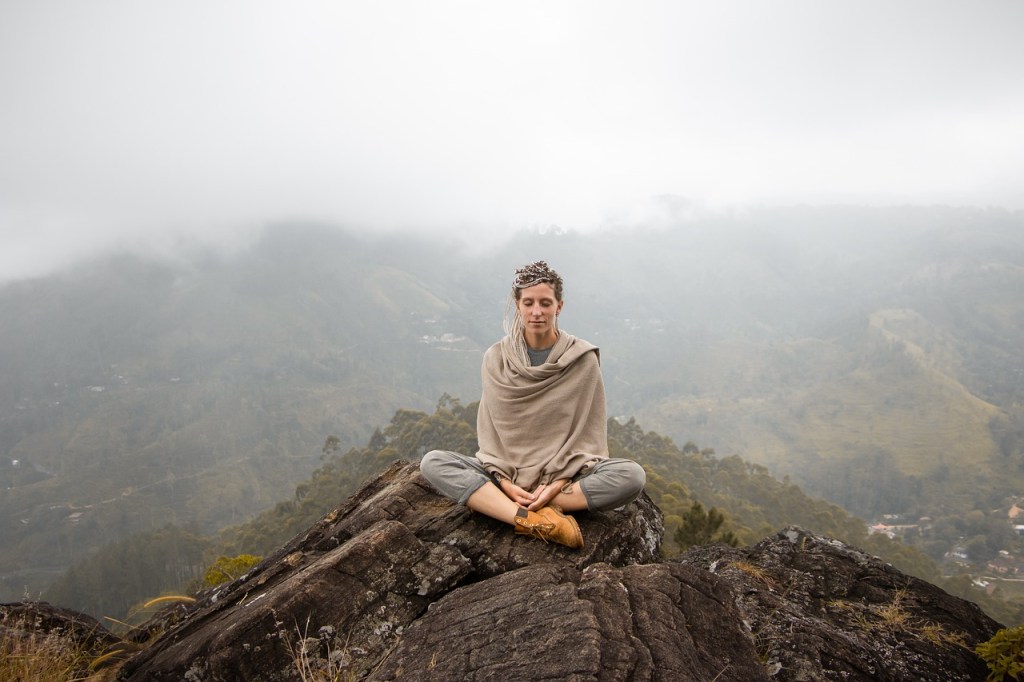
Christian meditation has been a part of the Christian tradition since its inception. The Old Testament records numerous instances when the faithful engaged in silent, intentional prayer to draw closer to God. The Psalms mention meditation twenty times as a way to rest in God’s presence. Christian meditation differs from secular meditation, which is either rooted in ‘mindfulness’ or in finding inner quietness. Christian meditation, on the other hand, enables us to embrace silence with God, allowing His Holy presence to fill our hearts.
Breath prayer and meditation practices share similarities in guiding us to a place of quietude as we await God’s presence. However, these methods of reaching such tranquility may require time. When we start incorporating these practices, we might discover that remaining in silence for just two minutes is initially manageable. Let’s not be disheartened but continue to include them in our devotional time. As we grow more accustomed, we will realize that our prayers are evolving into communication with God rather than mere words.
Another practice that will bring us closer to our Lord is meditating on scripture. Let’s use the book of Psalms as an example, turning to chapter 139. This Psalm begins: “O Lord, you have searched me and known me; you know when I sit down and when I rise up; you discern my thoughts from afar.” Read and reread this passage or select another within chapter 139, keeping in mind that these words are divine messages from God meant for us. All of Scripture is God’s sacred word. Reflect on passages that resonate with you and pray for clarity from our Lord. This practice can be applied to most scripture passages.

Some of us find it difficult to sit in silence to pray and draw closer to God. If that’s the case, a prayer walk might be beneficial. Choose a tranquil location for your walk. Observe your surroundings—the colors, the scents and smells, the whispering wind, the singing birds. These things can divert your mind from its ceaseless worrying and thinking of what must be done. Acknowledging that everything around you is part of God’s creation, express gratitude and words of praise for His handiwork. This type of experience might introduce you to a fresh approach to prayer.
There are several more spiritual practices that we can consider trying to nurture our souls. These practices include participating in retreats, either as part of a group or individually. Fasting for spiritual reasons is a common practice, especially during the Lenten season. Another idea is to include daily devotionals at the beginning and end of your day.
As our faith grows, we will sense the Holy presence of God drawing nearer. The feeling of absence will fade, replaced by the perpetual presence of our Lord Jesus Christ as a constant and accessible companion.
Peace and All Good Things,
Randy Schaffer.
Featured photo credits: Featured image credits: Image by lee seonghak from Pixabay.
The views expressed in this commentary do not necessarily reflect those of iPub Global Connection.
 iPub Forum