

Suffering, that inevitable thread woven into the fabric of human existence, invites contemplation across cultures and faiths. Both Judaism and Catholicism, with their rich theological traditions, offer distinct perspectives on suffering, each drawing the believer toward deeper understanding and transformation. These perspectives are illuminated through Pope John Paul II’s Apostolic Letter Salvifici Doloris and the reflections in Why Not Me? Searching for God When We Suffer, by Marcia Rudin and Rabbis James Rudin and Hershel Jaffe, which articulates how each tradition approaches the enigma of suffering.
The Jewish Lens: Suffering as a Covenant of Faith
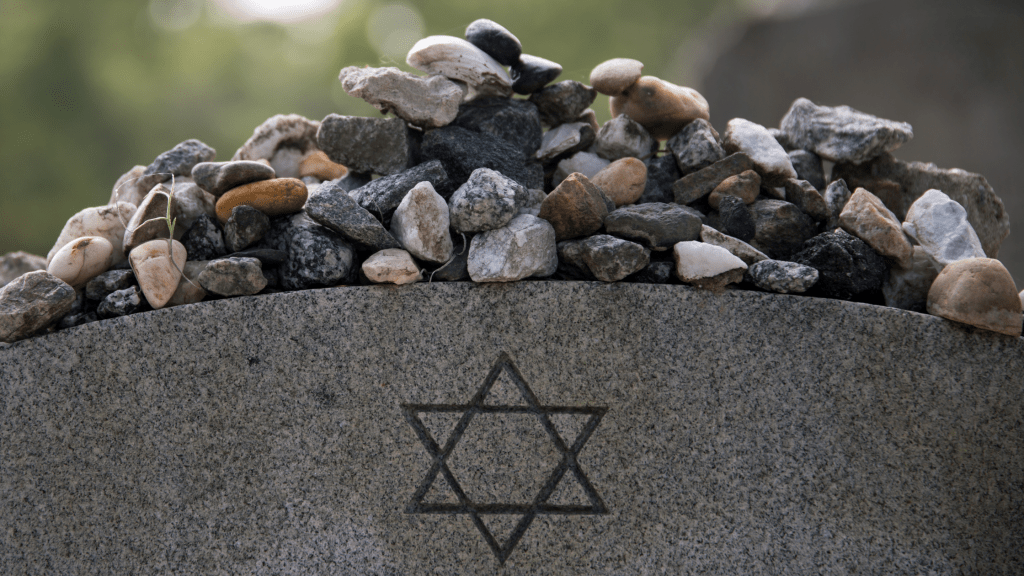
In Jewish thought, suffering is often encountered not merely as a personal affliction but as an element within the broader covenantal relationship with God. This relationship, steeped in history and collective memory, frames suffering as a test of faith—a mysterious, sometimes inscrutable part of life that both challenges and strengthens the believer’s connection to the divine.
The narrative of Job is emblematic in this context. His ordeal, as discussed in Why Not Me?, captures the Jewish approach to suffering, which resists easy answers or simplistic correlations between suffering and sin. Job’s suffering – undeserved and profound – becomes a crucible for his faith, not merely testing it but refining it. This story suggests that suffering, while often shrouded in mystery, can deepen one’s relationship with God, transforming doubt into a more nuanced faith that embraces the complexities of existence.
Moreover, suffering in Judaism is not just a private affair; it extends into the communal and ethical realms, particularly through the concept of tikkun olam, the repair of the world. Suffering becomes a call to action, a prompt for individuals and communities to strive toward justice and healing. It invites the believer to look beyond personal pain and consider the broader implications of suffering—how it can inspire change, foster resilience, and ultimately contribute to the greater good.
The Catholic Perspective: Suffering as Participation in Redemption
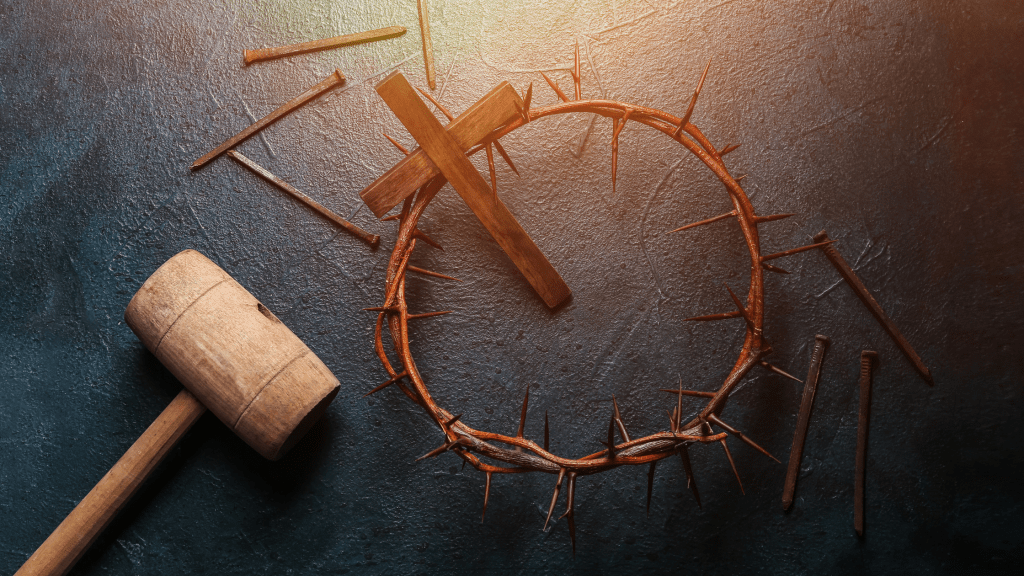
Catholicism approaches suffering through the lens of redemption, offering a theological framework that sees suffering not as an end but as a means of participating in the salvific work of Christ. Pope John Paul II’s Salvifici Doloris profoundly articulates this view, presenting suffering as a path to spiritual maturity and a participation in the redemptive suffering of Jesus.
In this perspective, suffering is imbued with a profound purpose. It becomes a way for the believer to unite with Christ, offering their pain as a sacrifice that contributes to the salvation of others and the Church. This is not a passive endurance but an active offering—a deliberate participation in the mystery of redemption. Through this participation, suffering is transformed; it is no longer merely a consequence of the human condition but a sacred act, a moment where the temporal intersects with the eternal.
This Catholic understanding elevates suffering to a place of deep spiritual significance. The believer, in their suffering, is called to emulate Christ, not just in accepting pain but in finding in it a pathway to holiness. This view provides a profound sense of purpose, suggesting that suffering, when embraced in faith, becomes a means of sanctification, drawing the soul closer to the divine.
The Interplay of Mystery and Redemption
The Jewish and Catholic perspectives on suffering, while distinct in their theological underpinnings, converge in their recognition of suffering as a deeply transformative experience. Jewish thought, with its emphasis on the covenant and the mystery of divine will, invites the believer to engage with suffering as part of a larger, often incomprehensible divine plan. It encourages a faith that wrestles with God, that demands answers even in the silence, and that finds meaning in the collective journey toward healing and justice.
Catholicism, on the other hand, offers a more defined narrative of suffering as redemptive. It sees suffering as a participation in Christ’s Passion, a way to unite one’s own pain with the suffering of Jesus, thereby contributing to the redemption of the world. This perspective provides a clear theological purpose for suffering, framing it as a necessary part of the Christian journey toward sanctification and eternal life.
Yet, despite these differences, both traditions ultimately affirm that suffering has the potential to draw the believer closer to God. Whether through the Jewish lens of covenantal faith and communal responsibility or through the Catholic understanding of redemptive suffering, both perspectives offer profound insights into how suffering can be transformed into a source of spiritual growth and deeper connection with the divine.
Embracing the Mystery and Purpose of Suffering
In grappling with the reality of suffering, both Jewish and Catholic traditions offer frameworks that move beyond mere explanations to provide pathways for living with and through suffering. They challenge believers to see suffering not as a meaningless burden but as an opportunity for transformation—whether that transformation comes through deeper faith, greater communal responsibility, or a closer union with the divine.
Suffering, then, becomes a space where the temporal and the eternal meet, where human frailty encounters divine mystery, and where the soul is invited to journey toward a deeper understanding of life’s most profound realities. Through the lens of these ancient traditions, we are reminded that while suffering may be inevitable, it is also an invitation—an invitation to grow, to reflect, and to draw closer to the source of all being.
 iPub Forum