
Every Generation Has Its Battle — and Fights Back
by Elyse Draper
Some years ago, I wrote about Pride as love, support, and survival — about a generation that raised itself in avocado-green kitchens and latchkey afternoons, that stumbled into the truth of who was dying all around them and learned, in the silence of their government, to care for each other anyway. That story didn’t end. It just changed costumes.
Here we are again.
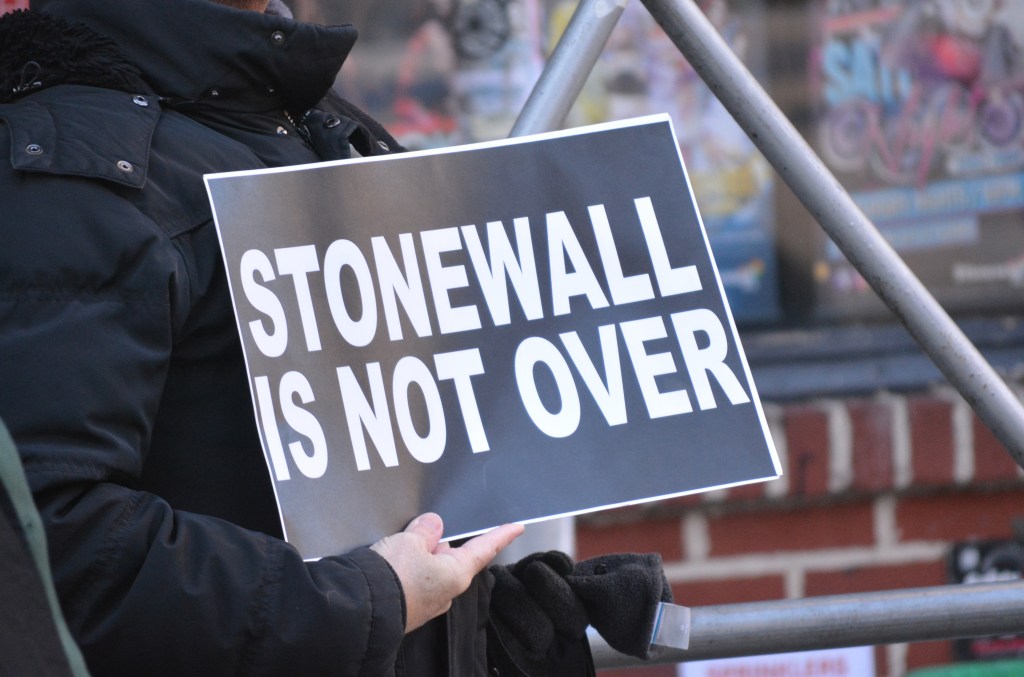
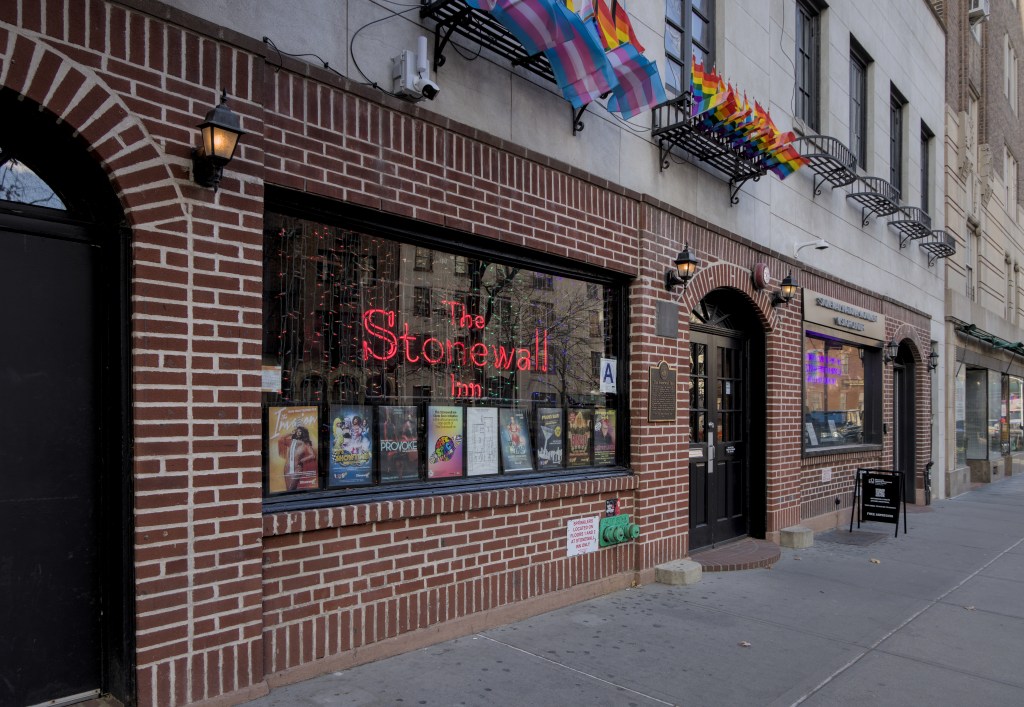
On a sweltering June night in 1969 — the kind of New York night where the heat comes up from the sidewalk and the air barely moves — police raided a bar called the Stonewall Inn. It was not the first time. It was not even unusual. Gay bars were raided as a matter of routine. Patrons were hauled outside, lined up on the street, sometimes arrested for the crime of existing in the same room as their own kind. Most nights, it went according to script.
That night, it didn’t. Someone said enough. And then someone else did. And for six days, the streets outside the Stonewall Inn became the opening argument of a movement that has never stopped making its case.
Historians are careful to note that the shift Stonewall represented, if it represented one at all, was primarily a shift for white cisgender people — that people of color and gender non-conforming people never had the luxury of hiding in the first place. The ones who threw the first bottles and the first coins at the police that night were largely Black and brown, largely trans, largely drag queens, largely the people most exhausted by the idea that surviving quietly was the best they could hope for. The movement they sparked was, in many ways, an announcement: we are not surviving quietly anymore.
Pride was born from an uprising. Not a parade — an uprising. That matters right now.
The Scope of What Is Happening
Let me tell you what 2025 looked like, not as a political argument but as a documented reality, because the numbers deserve to be said plainly.
The American Civil Liberties Union tracked more than 600 anti-transgender bills introduced at the state level in 2025 alone — a number that would have been unimaginable a decade ago. By the end of that year, 29 states had adopted at least one restrictive law, cutting into gender-affirming healthcare, school sports participation, bathroom access, or the simple dignity of a teacher using a student’s name. This was not a wave; it was a decade-long, coordinated strategy that researchers describe as having steadily escalated since major court victories for LGBTQIA+ rights — as if every door the community walked through opened a room where someone was waiting to brick it shut again.
And in 2026, it accelerated. Hundreds of new bills in the first month. Legislation is being considered across 43 states. Federal policy rewritten to define gender in terms that erase the existence of millions of Americans from official documents, surveys, and records — the same quiet bureaucratic erasure that let the AIDS epidemic spread unchecked while the government looked at the dying and decided not to count them.
Some things change. The machinery of indifference runs remarkably consistently.
The Human Cost
Behind the legislative scorecards are children.
A peer-reviewed study published in Nature Human Behaviour found a 72% increase in suicide attempts among transgender and nonbinary youth following the passage of state-level anti-trans laws. Not correlated with it — following it, in the aftermath of it, as a direct response to being told by their state legislature that their care was illegal, their existence inconvenient, their identity a matter for public debate.
The Trevor Project found that 71% of LGBTQ youth — 86% of trans and nonbinary youth specifically — said state laws restricting LGBTQ rights had negatively impacted their mental health. Not mildly. Not abstractly. In ways they could name and date and point to.
Human Rights Watch interviewed families across 19 states for a 2025 report. They documented children losing access to care overnight when clinics closed under legal pressure. Families making regular drives across state lines to see a doctor who would see them. Families who relocated entirely, pulling up roots from communities and school systems and everything familiar, because staying felt like choosing danger. A 10-year-old girl named Lily who was devastated when her family felt they had no choice but to leave. An 18-year-old who looked up at the people writing the laws and said, simply: “They’re ruining people’s lives.”
We have heard this register before. We called it an epidemic. We called it a crisis. We called it a generation hollowed out by something that moved faster than anyone was willing to admit. The language then and now rhymes in ways that should make us uncomfortable.
The Uprising
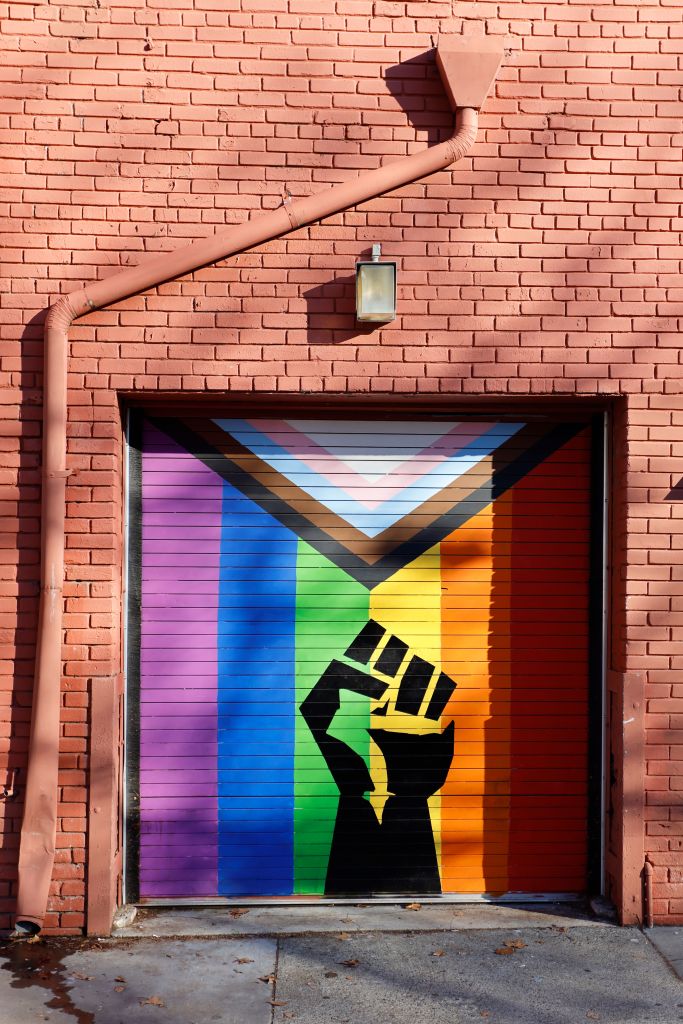
And yet.
Here is the part of this story I want to live in for a moment, because it is the part that is easy to miss when the headlines are relentless: they are fighting back, and they are winning more than they are losing.
In 2025, in Florida — a state that has been on the front lines of this legislative assault for years — the community stopped every single anti-LGBTQ bill filed. Every one. Not because the bills weren’t introduced or because the lawmakers changed their minds. Because hundreds of volunteers showed up in person at the statehouse. Because thousands more flooded phones and inboxes with emails and calls. Because parents of transgender children sat in committee hearing rooms and testified, again and again, about what it means to watch your child be used as a political prop. One Republican senator, after hearing from those parents, raised concerns during the hearing. Another invited them to continue the conversation. The bill was never heard from again.
The Movement Advancement Project has tracked this pattern for fifteen years: advocates defeat an average of 92% of proposed anti-LGBTQ bills every year. Ninety-two percent. In the face of a strategy that has been building for a decade, that keeps introducing more bills, more broadly, in more states — the community has held the line on the vast majority of them. Not by being quiet. Not by hoping the politics would improve. By showing up.
This is not new behavior. This is who they have always been. When the government went silent during AIDS and the media found its scapegoat, the community educated itself, cared for its own, filled the hospital rooms the families sometimes wouldn’t, organized ACT UP to make the cost of ignorance impossible to ignore, and chased the legal mechanisms to get treatment funded. They have always done this. They have always known that survival is a group project.
What Pride Is
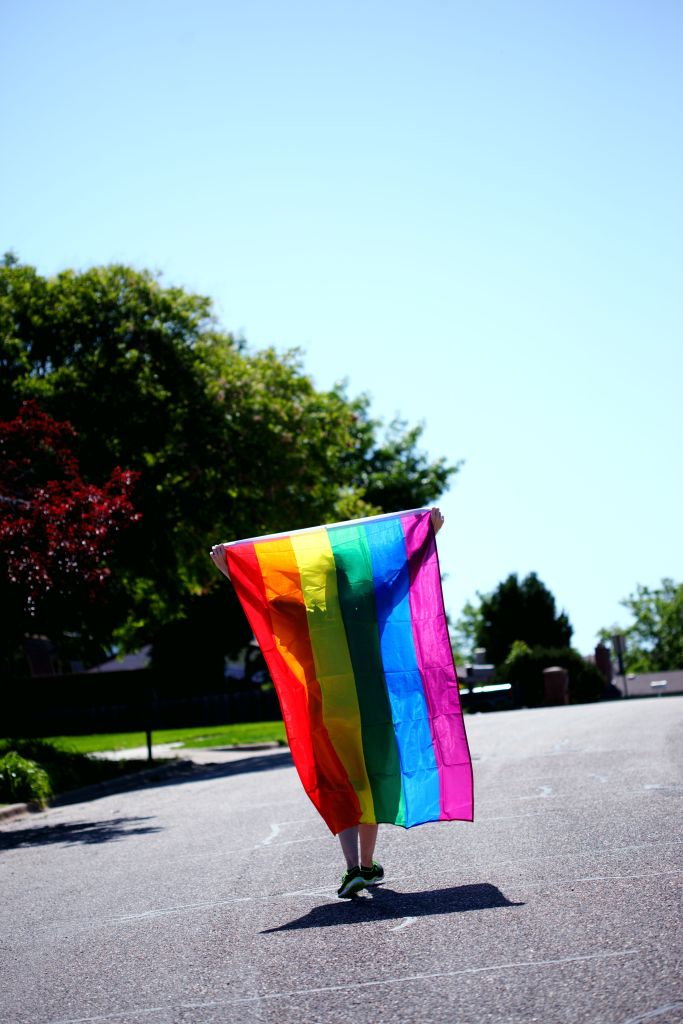
The first Pride was not a celebration. It was an anniversary marked with marching, one year after Stonewall, in cities across the country — people walking through streets that had not exactly invited them, saying: we are still here. The chant was simple and it was enough: say it loud, gay is proud.
Pride in 2026 is the same argument, made louder by necessity. It is transgender youth sitting in the back of cars on long drives to states that will still see them. It is parents testifying in rooms that were not built to hear them. It is volunteers in statehouse hallways holding the line against legislation that would make their neighbors invisible. It is a community that has absorbed every wave of this — the raids, the epidemic, the silences, the backlash — and is still, stubbornly, extravagantly, defiantly here.
A dear friend once told me that Pride is celebrating the strength of those who came before; it’s in fighting to be seen, and a reminder that we can be out in public without isolation and fear. It’s not about changing everybody’s minds. It’s about what we have overcome, what we have sacrificed to be here, and how we now know that wherever we are headed, we are not alone.
Every generation has its Stonewall — its moment when someone says enough, and the people around them agree, and the world shifts a fraction of a degree toward the thing it was always supposed to be. The community that is fighting right now, in statehouses and school boards and hospital corridors and online and in the streets, is writing the chapter that someone, decades from now, will trace back to understand how we got through this.
They will. Because they always have.
Sources
Library of Congress — Stonewall Era: https://guides.loc.gov/lgbtq-studies/stonewall-era
Freedom for All Americans — From Stonewall to Today: https://freedomforallamericans.org/lgbtq-freedom-in-the-us/
National Geographic — How the Stonewall Rebellion Ignited the LGBTQ+ Movement: https://www.nationalgeographic.com/history/article/stonewall-uprising-ignited-modern-lgbtq-rights-movement
Williams Institute, UCLA — The Impact of 2025 Anti-Transgender Legislation on Youth (January 2026): https://williamsinstitute.law.ucla.edu/publications/anti-trans-legislation-youth/
Prism Reports — Anti-Transgender Legislation Accelerates in Early 2026 (February 2026): https://prismreports.org/2026/02/09/anti-transgender-bills-2026/
Trans Legislation Tracker: https://translegislation.com/
The Trevor Project — New Poll Emphasizes Negative Impacts of Anti-LGBTQ Policies on LGBTQ Youth: https://www.thetrevorproject.org/blog/new-poll-emphasizes-negative-impacts-of-anti-lgbtq-policies-on-lgbtq-youth/
Human Rights Watch — ‘They’re Ruining People’s Lives’: Bans on Gender-Affirming Care for Transgender Youth in the US (June 2025): https://www.hrw.org/report/2025/06/03/theyre-ruining-peoples-lives/bans-on-gender-affirming-care-for-transgender-youth
Council for Relationships — LGBTQ Youth Mental Health Crisis (July 2025): https://councilforrelationships.org/lgbtq-youth-mental-health-gender-affirming-care/
Equality Florida — 2026 Resistance Report: https://eqfl.org/2026-Resistance-Report-final
GLAAD — Taking the Fight to the Statehouses in 2026 (January 2026): https://glaad.org/taking-the-fight-to-the-statehouses-in-2026-overview-of-lgbtq-related-bills-and-current-activations/

