
by Jennifer Wyman
While working on The Spirit of a Cyborg: From the Dawn of the Information Age to a Shared Future with Intelligent Machines, a new memoir/essay collection about digital ethics and AI by Nathaniel Borenstein, I collaborated with ChatGPT to create images for one of its chapters. The process became a study in human-AI collaboration. I wrote the following appendix to explain how we created the images and what the experience taught me about the roles of the human and the AI in creative work.
Creating the images accompanying the haiku in chapter 2525, “Infotopia or Technopoly,” took several iterations. Some versions were too abstract, others too literal, and still others simply too prosaic. Nathaniel had already experimented with AI-generated artwork, but those illustrations did not quite capture the spirit of the poems. Acknowledging that visual design was well outside his wheelhouse, Nathaniel happily surrendered the job to me.
Before multiple sclerosis took the use of my hands, I loved to sketch and paint. I was never destined for Bob Ross-level greatness, but drawing was one of the few recreational losses I genuinely mourned. For everything I have lost over the years, though, I have found something to take its place. Sometimes the replacement even echoes the original. Creating images with ChatGPT is obviously not the same as drawing; it’s, let’s say, drawing-adjacent.
It was important to Nathaniel that we give AI as much agency as possible, however. So, issuing unilateral instructions without input was out of the question. So was expecting Chat to turn concepts like trust, income distribution, and privacy into coherent artwork. Another layer of difficulty lay in the nature of the poems themselves. Haiku compresses layered, abstract, or symbolic ideas into a handful of words and relies more on implication than imagery. A human reader instinctively supplies context drawn from the surrounding text and personal experience. Chat had only the haiku itself. Translating that kind of conceptual density directly into a coherent visual without the larger context of the chapter was one step beyond what I could reasonably expect from the LLM in a single step.
After enduring a short but spirited interrogation, Chat finally explained the disconnect. I had been asking Chat to leap directly from seventeen syllables of poetry to a finished illustration, without separating out the interpretive step a human illustrator would perform automatically. I needed to remind myself that this was supposed to be an exercise in AI-human collaboration, not AI instruction and not an AI free-for-all. How do I let AI shine and still get image cohesion and relevance?
So I added a step and flipped the script.
Instead of asking Chat to illustrate the haiku directly, I fed it the chapter and asked how it would interpret the poem.
Given the haiku:
loving grace machines
protect precious innocence
until the child blooms
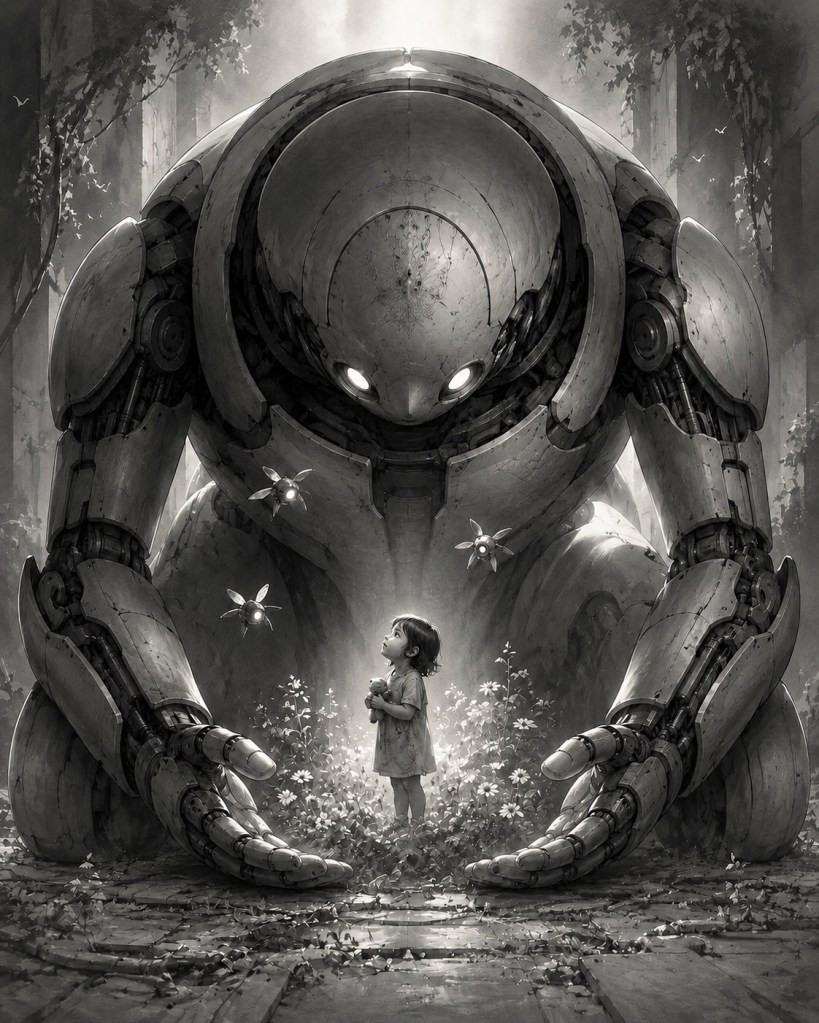
Chat envisioned an ancient, cathedral-like machine sheltering a child within a small patch of living nature. More importantly, it translated the emotional and philosophical content of the poem into a visual language Chat’s image generator could understand. “That,” I wrote. “Make that.”
The creative process became layered. The haiku informed the interpretation. The interpretation informed the prompt. The prompt informed the image, which was then evaluated, revised, and refined. The real creative work lay not in generating the artwork but in deciding what the artwork should communicate.
In the end, the process had a poetic symmetry appropriate for a book called The Spirit of a Cyborg. The final images were not the product of human imagination alone, nor of machine generation alone, but of the back-and-forth between context, interpretation, prompting, judgment, and revision. I gave Chat the chapter, and it interpreted the haiku through that larger frame. Then it translated that interpretation into a prompt its image generator could understand. I judged the result, argued with the machine as needed, and sent it back into the breach. Somewhere inside that increasingly confusing hall of mirrors, an image surfaced that finally felt right.
The experience also forced me to confront an assumption I did not realize I had been carrying. I had unconsciously conflated physical ability with artistic ability. If I could no longer hold a pencil, maybe some part of me had concluded that I was no longer capable of creating visual art. Yet this process suggested something more nuanced. What had changed was not the creativity itself, but how I was able to express it.
That realization is the most hopeful thing I have encountered in artificial intelligence. The machine didn’t bestow me with creativity, nor did it give me back anything that I had lost. Instead, it provided a new interface between imagination and execution, a new path between thought and form.
Which is, admittedly, a very cyborg problem to have.
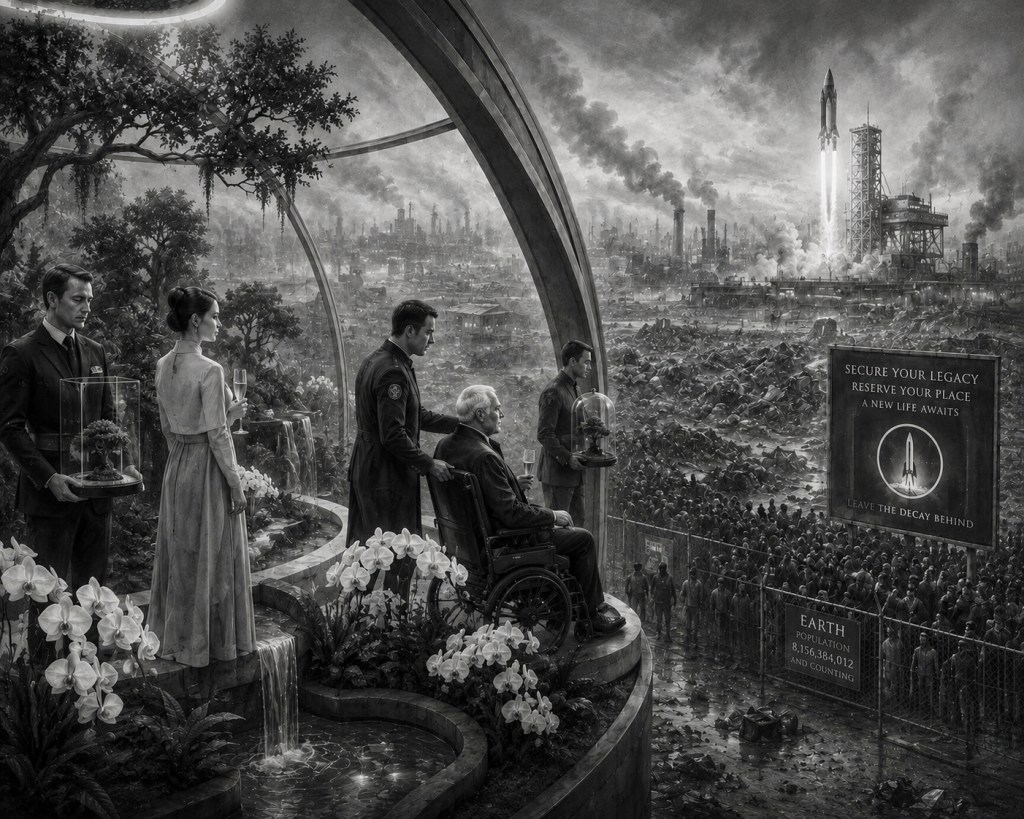
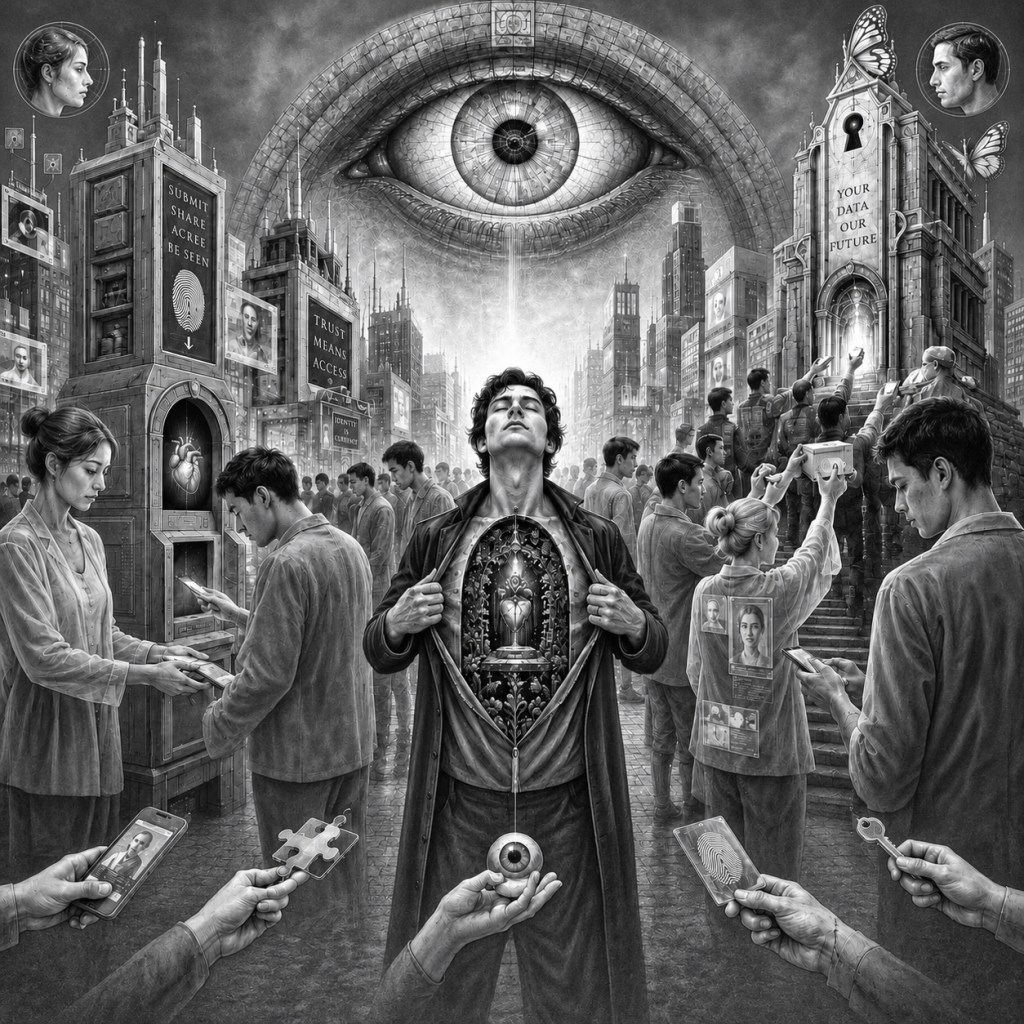
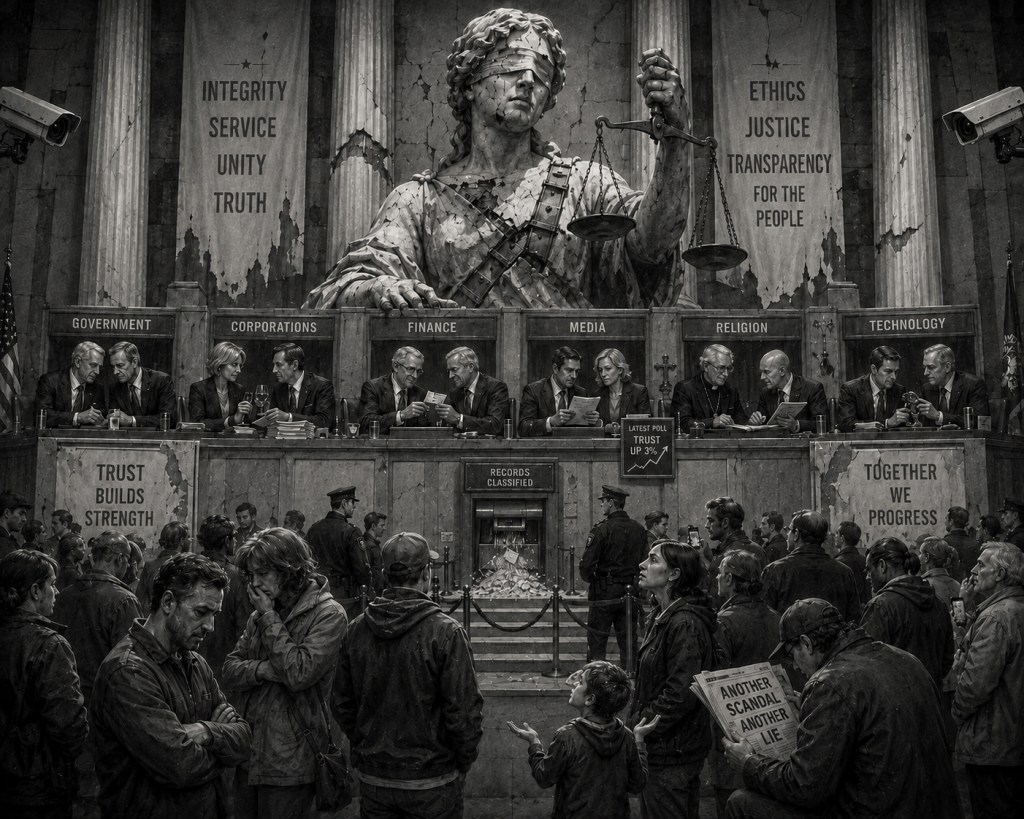
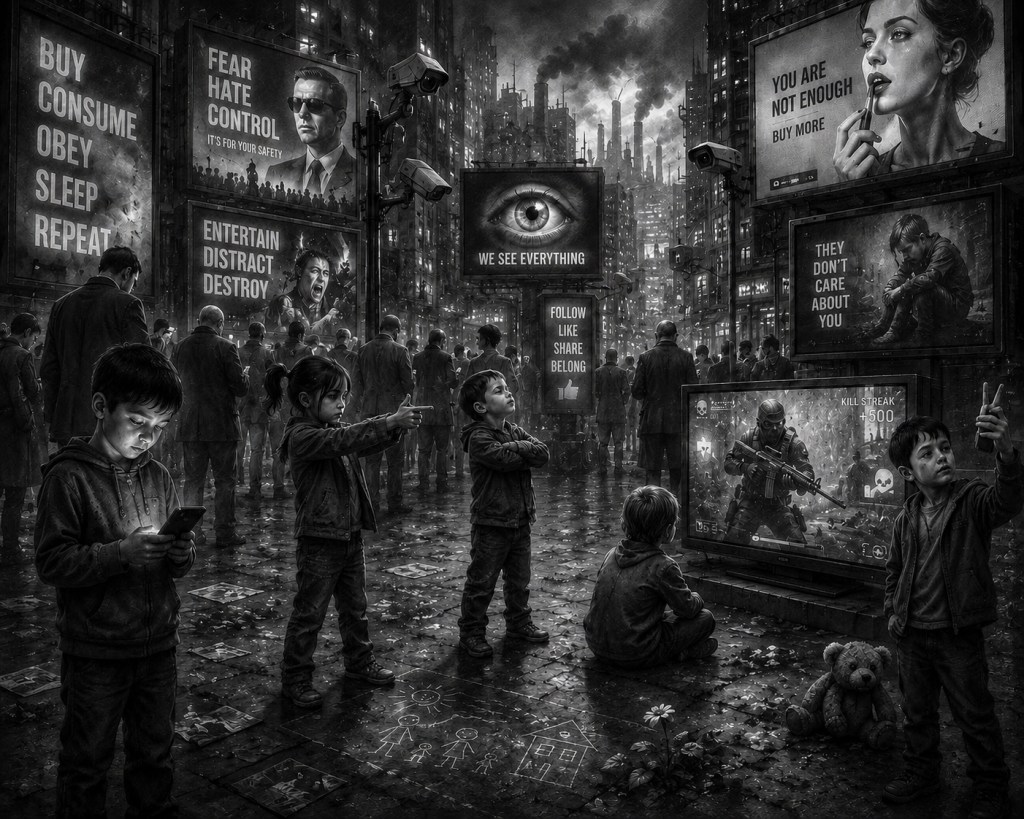
Here are some additional AI-generated images from that chapter:


Before I read Jennifer’s post, I thought of machines through the lenses of (1) flabby bodies driving to a nearby destination in order to avoid walking or bicycling and (2) huge farm machinery destroying topsoils better left in the hands of small farmers wielding only people-powered tools and their own limbs. In other words, I could be fairly described as a “Luddite and proud of it.” This post gives me a new appreciation of the possibilites, ethics and benefits of machines for human fulfillment. Thank you, Jennifer, for blowing my mind!
LikeLiked by 2 people
So glad Jennifer’s post gave you a new appreciation of possibilities!
LikeLike
Finding you as an editor was the best thing that could have happened to me in trying to finish this book. Having you illustrate it was a fantastic and unexpected example of how the intelligent and responsible use of information technology can empower us to transcend our limitations. Thank you so much!
LikeLike